Exploring a cuisine of India restaurant menu unveils a tapestry of diverse flavors and aromatic spices, promising an unforgettable culinary journey. For anyone seeking to delve into the rich heritage of Indian gastronomy, understanding the menu is key to unlocking its full potential. This guide is designed to help diners, from novices to seasoned enthusiasts, navigate the extensive offerings, ensuring a truly authentic and satisfying experience. Whether you’re curious about traditional preparation methods, regional specialties, or simply seeking the best vegetarian options and meat dishes, the insights provided here will illuminate the path to a delectable meal, allowing you to appreciate the depth of this vibrant food culture. You can discover a wide array of restaurant menus and culinary insights for your next dining adventure on meetup.vn.

Understanding the Indian Restaurant Menu
A typical cuisine of India restaurant menu is a meticulously crafted document that reflects the country’s vast culinary landscape. It goes beyond mere listings of dishes, offering a glimpse into regional variations, traditional cooking techniques, and the philosophy behind each creation. Unlike many Western menus, an Indian menu often categorizes dishes not just by course, but also by their primary ingredients, cooking methods, and regional origin, such as North Indian, South Indian, or Punjabi specialties. This detailed approach allows diners to embark on a specific culinary path, from the creamy, rich gravies of the North to the fiery, coconut-infused dishes of the South.
The Appetizers: A Grand Welcome
The journey through an Indian menu typically begins with appetizers, often referred to as starters or chaat. These initial offerings are crucial for setting the tone of the meal, introducing diners to the foundational spices and textures of Indian cuisine. Popular choices include samosas, crispy pastry triangles filled with spiced potatoes or meat, and various pakoras, which are savory fritters made from vegetables or paneer (Indian cheese) coated in a chickpea flour batter and deep-fried. Additionally, items like aloo tikki (spiced potato patties) or paneer tikka (marinated and grilled paneer) provide a delightful prelude, offering a blend of crunch, spice, and freshness that awakens the palate.
Main Courses: Curries, Biryanis, and More
The heart of any cuisine of India restaurant menu lies in its main courses, an expansive category dominated by an array of curry dishes, flavorful biryanis, and tandoor-baked specialties. Curries vary widely in their base, from tomato and onion to coconut milk or yogurt, each offering a unique flavor profile. Dishes like Butter Chicken or Rogan Josh represent the rich, aromatic North Indian tradition, while Goan Fish Curry showcases coastal influences with its tangy and spicy notes. Biryani, a fragrant rice dish cooked with meat or vegetables and a blend of whole spices, stands as a meal in itself, known for its intricate layers of flavor. The tandoor, a traditional clay oven, produces succulent Tandoori Chicken and various succulent kebabs, providing a smoky depth that is unmistakably Indian. For those seeking vegetarian delights, options like Dal Makhani (creamy black lentils) or Palak Paneer (spinach and cheese) are staple choices on most menus. For a different but equally rich experience, consider exploring the cumin indian restaurant menu to compare its distinct offerings and find your next favorite dish.
Indian Breads and Accompaniments
No Indian meal is complete without its traditional breads and accompaniments, which serve not only as a vessel for curries but also as integral parts of the meal’s texture and flavor balance. Naan, a soft, leavened flatbread baked in the tandoor, is a universally loved choice, often served plain, with garlic, or stuffed with cheese. Roti, a thinner, unleavened whole wheat bread, offers a simpler, healthier alternative. Other varieties include Paratha, a flaky, layered bread, and Puri, a puffed, deep-fried bread often paired with specific curries. To complement these, menus often feature raita, a cooling yogurt dip with cucumber or other vegetables, and various chutneys and pickles that add bursts of sweet, sour, or spicy notes.
Desserts and Beverages: A Sweet Ending
The conclusion of an Indian meal is often marked by a selection of rich and aromatic desserts, followed by traditional beverages. Indian sweets are distinct, often milk-based and flavored with cardamom, saffron, or rose water. Gulab Jamun, soft fried milk solids soaked in syrup, and Rasgulla, cheese dumplings in light syrup, are quintessential choices. For those preferring something lighter, Kulfi, a dense frozen dessert similar to ice cream, offers a refreshing end. Beverages typically include chai, spiced Indian tea, and lassi, a yogurt-based drink that can be sweet, salty, or flavored with fruit like mango. These offerings provide a harmonious balance to the spicy and savory main courses.

Navigating Dietary Preferences: Vegan, Gluten-Free, and Spice Levels
The cuisine of India restaurant menu is remarkably accommodating for various dietary preferences, making it a favored choice for many. For those following a vegan Indian food diet, the sheer volume of plant-based dishes, especially from South Indian traditions, is impressive. Many lentil (dal) and vegetable (sabzi) dishes are naturally vegan, provided they are cooked without ghee (clarified butter) or dairy products, which can usually be requested. Similarly, gluten-free options are abundant, as many curries and rice dishes are naturally free of gluten. Diners should inquire about ingredients in breads, as naan and roti contain wheat, but rice-based options like dosa or idli are excellent gluten-free alternatives.
Understanding spice levels is also crucial. Indian cuisine is renowned for its use of spices, but not all dishes are intensely hot. Menus often indicate spice levels, or diners can request their dishes to be prepared mild, medium, or hot. This flexibility ensures that everyone, from those who prefer subtle flavors to chili enthusiasts, can enjoy a personalized dining experience. “Indian cuisine provides a fantastic foundation for health-conscious dining, with its emphasis on vegetables, lentils, and a mindful use of fats,” notes Dr. Anjali Sharma, a food science researcher specializing in South Asian diets. “Diners often overlook how adaptable the menu is to individual needs, from low-sodium to high-fiber choices.”
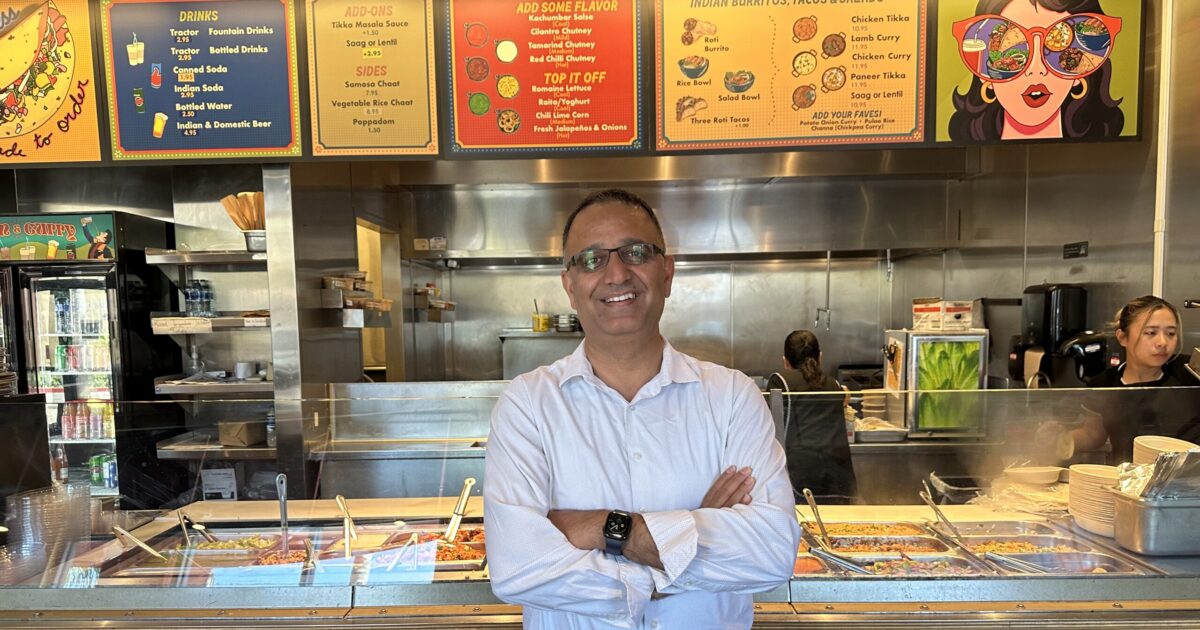
Beyond the Plate: The Indian Dining Experience
The Indian dining experience extends beyond the food itself, encompassing the ambiance, service, and cultural nuances that define a visit to a cuisine of India restaurant menu. Many establishments strive to create an atmosphere that transports diners, whether through traditional Indian music, vibrant decor, or the warm hospitality of the staff. The communal aspect of sharing various dishes, typical in Indian meals, fosters a sense of connection and exploration among diners. This shared experience, combined with the sensory delight of aromatic dishes, makes dining at an Indian restaurant a truly immersive cultural event. It’s not just about eating; it’s about partaking in a tradition.
Reviews
- Priya Singh (5/5 stars) – “Absolutely loved the Butter Chicken and garlic naan! The flavors were so authentic, reminded me of my grandmother’s cooking. The service was prompt, and the ambiance was perfect for a relaxed dinner. Visited on April 15, 2024.”
- Michael Chen (4/5 stars) – “First time trying Indian food and it was fantastic. The server was very helpful in explaining the menu. Tried the Lamb Rogan Josh and it was tender and flavorful. A bit spicy for me, but still enjoyable. I came on May 2, 2024.”
- Sophie Dubois (5/5 stars) – “Their vegetarian selection is incredible! The Palak Paneer was creamy and rich, and the variety of fresh chutneys really elevated the meal. A delightful experience from start to finish. Highly recommend for vegetarians. Review from June 10, 2024.”
- David Kim (3/5 stars) – “Good food, but the service was a bit slow, especially during peak hours. The biryani was excellent, but we waited quite a while for our drinks. Overall decent, but could improve on speed. Visited on July 20, 2024.”
- Elena Petrova (4/5 stars) – “Came here for my birthday with friends. The ambiance was lovely, and the staff were very friendly. We ordered a few different curries to share, and they were all delicious. The mango lassi was a highlight. A great place for a group outing. Reviewed on August 5, 2024.”
Navigating a cuisine of India restaurant menu offers a rewarding culinary adventure, filled with exotic flavors, comforting aromas, and dishes suited to every palate and preference. By understanding the breadth of offerings from appetizers to desserts, and appreciating the cultural significance behind each dish, diners can fully immerse themselves in the richness of Indian gastronomy. This guide aims to empower your dining choices, ensuring that every visit to an Indian restaurant is a delightful exploration.
Ngày Cập Nhật: Tháng 9 3, 2025 by Đông Masterchef