The thai noodle restaurant menu is a vibrant tapestry of flavors and textures, promising a culinary journey to the heart of Thailand. For anyone seeking to delve into the rich and diverse world of Thai cuisine, particularly its renowned noodle dishes, understanding these menus is essential. This guide is crafted to illuminate the various facets of what makes a Thai noodle menu truly exceptional, helping you navigate the choices and discover new favorites. It’s designed for food enthusiasts and curious diners eager to explore the genuine tastes and ingredients that define Thai noodle artistry.
The Essence of a Thai Noodle Restaurant Menu: Beyond Pad Thai
When exploring a thai noodle restaurant menu, it quickly becomes clear that the offerings extend far beyond the globally celebrated Pad Thai. These menus are a testament to Thailand’s diverse regional culinary traditions, each contributing unique noodle styles, broths, and accompaniments. From dry stir-fried dishes bursting with wok hei to comforting, aromatic soups, the variety caters to every palate. Understanding these foundational elements is key to appreciating the depth of flavors and techniques involved. Many establishments proudly feature specialized noodle sections, allowing diners to truly immerse themselves in this cornerstone of Thai gastronomy.
Exploring Iconic Thai Noodle Dishes
Dive into the heart of a thai noodle restaurant menu by understanding its iconic dishes, each offering a distinct experience. Pad Thai, while famous, is just the beginning. Imagine the savory depth of Pad See Ew, featuring wide rice noodles stir-fried with dark soy sauce, Chinese broccoli, and your choice of protein, often chicken or beef. Its slightly charred flavor and tender noodles make it a comforting classic.
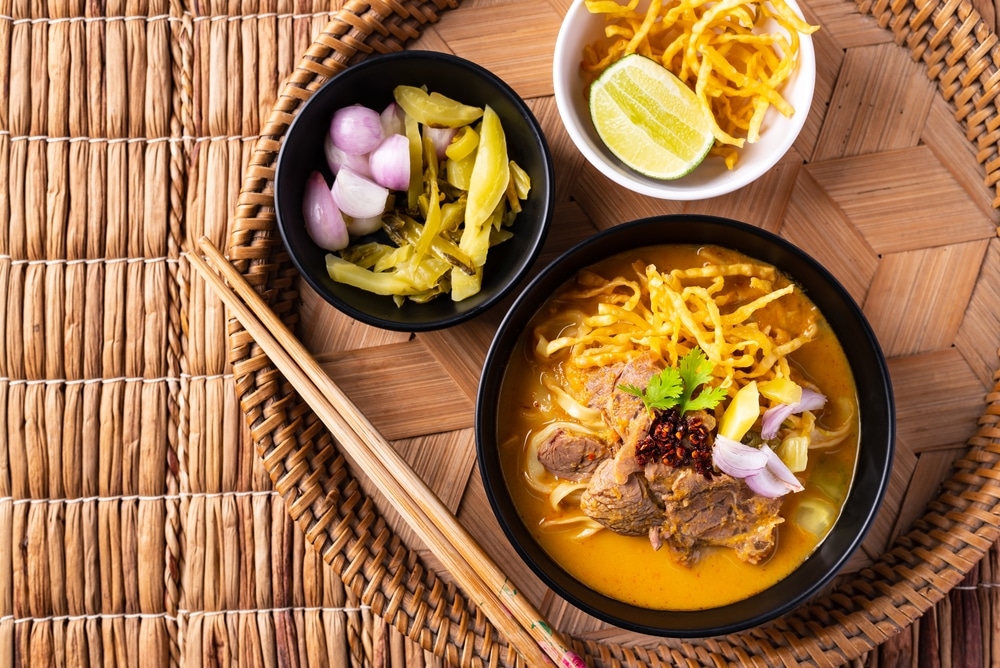
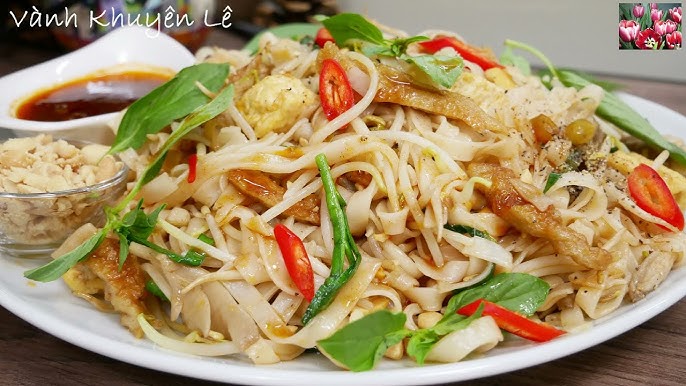
For those who crave a bolder profile, Drunken Noodles, or Pad Kee Mao, deliver a spicy kick with a medley of vibrant vegetables, basil, and broad rice noodles. The name playfully hints at its supposed hangover-curing properties, though its intense flavors are delightful anytime. Another must-try is Khao Soi, a rich and creamy curry noodle soup hailing from Northern Thailand. This dish combines soft egg noodles in a fragrant coconut milk curry, topped with crispy fried noodles, creating a delightful textural contrast. If you’re looking for an authentic Northern Thai culinary experience, exploring a specific lamoon thai restaurant menu might offer dedicated Khao Soi variations that highlight regional nuances.
The fragrant Tom Yum Noodle Soup, a harmonious blend of spicy, sour, and savory, often features vermicelli noodles and fresh seafood or chicken. It embodies the quintessential Thai balance of flavors. Another lesser-known but equally delicious option is the Thai Boat Noodles, or Kuay Teow Reua, characterized by its intensely flavorful, dark broth enriched with pig blood, a specialty worth seeking out for an adventurous diner. Each of these dishes showcases different noodle types and preparation methods, providing a comprehensive tour of Thai noodle mastery.
Customizing Your Thai Noodle Experience
A significant appeal of any thai noodle restaurant menu lies in the ability to personalize your dish. Thai cuisine celebrates individual preferences, allowing diners to tailor their meals to their exact liking. Most restaurants offer a choice of proteins, from succulent chicken and tender beef to plump shrimp and even crispy tofu for vegetarian options. This flexibility ensures that every diner finds something that suits their dietary needs and taste preferences.
Beyond protein, the spice level is a crucial element of customization. Whether you prefer a mild hint of chili or an inferno of heat, Thai chefs are adept at adjusting the intensity to match your tolerance. You can typically request “no spice,” “mild,” “medium,” “hot,” or “Thai hot,” truly making the dish your own. Furthermore, many menus offer an array of add-ons, such as extra vegetables, crushed peanuts, a fried egg, or additional chili flakes, enabling you to fine-tune your meal. This interactive dining approach ensures a uniquely satisfying experience with every visit. Exploring a particular thai charm restaurant menu might reveal specific house-recommended additions that enhance their signature dishes.
“The key to appreciating a Thai noodle dish isn’t just the main ingredients, but understanding how to balance the sweet, sour, salty, and spicy elements to your personal preference,” advises Chef Anya, a renowned Thai culinary expert with two decades of experience. “Don’t be afraid to ask for recommendations on customization.”
Complementary Offerings Beyond Noodles
While the noodles are undoubtedly the stars, a comprehensive thai noodle restaurant menu often features an array of complementary dishes that enhance the overall dining experience. Appetizers serve as perfect preludes, preparing your palate for the main course. Popular choices include crispy Spring Rolls, savory Chicken Satay with peanut sauce, and delicate Thai Dumplings. These starters provide a delightful contrast in texture and flavor, whetting the appetite without overwhelming it.
Additionally, many establishments offer a selection of refreshing beverages that perfectly cut through the richness or spice of the noodle dishes. Iced Thai Tea, with its distinct sweet and creamy profile, is a classic choice, while fresh coconut water offers a natural and hydrating option. Some menus also feature an array of Thai desserts, such as Mango Sticky Rice or fried bananas, providing a sweet conclusion to your meal. These elements collectively contribute to a holistic and satisfying culinary journey, showcasing the breadth of Thai hospitality and gastronomic tradition. Before finalizing your dining choice, reviewing a thai time restaurant menu can give you a clear picture of their full culinary offerings.
Navigating Thai Noodle Menus for Dietary Needs
For diners with specific dietary requirements, a well-structured thai noodle restaurant menu can be incredibly accommodating. Vegetarian and vegan options are increasingly common, with many dishes easily adaptable by substituting meat with tofu or plant-based proteins and ensuring no fish sauce or egg is used. It’s always advisable to communicate your dietary needs clearly to the staff, as many Thai kitchens are accustomed to making such adjustments.
Gluten-free diners will also find numerous possibilities, particularly with rice noodle-based dishes like Pad Thai and Pad See Ew, provided soy sauce alternatives or tamari are used. Many menus explicitly mark dishes that are vegetarian, vegan, or gluten-free, simplifying the selection process. However, cross-contamination can be a concern in shared kitchens, so it’s always best to inquire about preparation methods if you have severe allergies. A dedicated krung thai restaurant menu or an asia chinese restaurant menu might even highlight specific dishes certified for various dietary restrictions, providing peace of mind. The openness to customization makes Thai noodle restaurants a welcoming choice for almost everyone.
What to Look for in a Quality Thai Noodle Restaurant Menu
Identifying a quality thai noodle restaurant menu goes beyond just the sheer number of dishes; it speaks to the establishment’s dedication to authenticity and culinary excellence. Look for menus that describe ingredients in detail, perhaps even mentioning the origin of specific spices or specialty noodles. This indicates a commitment to sourcing high-quality components. Variety in noodle types—from thin vermicelli to wide flat noodles and egg noodles—is also a good sign, showcasing the chef’s versatility and knowledge of regional variations.
Furthermore, pay attention to the inclusion of traditional elements, such as fresh herbs, aromatic broths made from scratch, and a balanced flavor profile across different dishes. A truly authentic menu will offer a range of spice levels and protein options, allowing for genuine customization. A clear presentation, with appealing descriptions and perhaps even photos, can also signal a restaurant that takes pride in its offerings and wants to provide a great experience. Ultimately, a good menu serves as a guide, promising a meal that is both delicious and culturally enriching, a hallmark of what meetup.vn aims to highlight in its comprehensive dining recommendations.
What’s the Difference Between Pad Thai and Pad See Ew?
Many diners often wonder about the distinctions between popular Thai noodle dishes, particularly Pad Thai and Pad See Ew, which are frequently found on any thai noodle restaurant menu. While both are stir-fried rice noodle dishes, their preparation, flavor profiles, and textures are quite distinct.
Pad Thai is typically made with thin or medium-sized rice noodles, tamarind paste, fish sauce, palm sugar, and often garnished with crushed peanuts, lime, and bean sprouts. It’s characterized by a complex balance of sweet, sour, salty, and a subtle savory depth, often with a hint of chili. The noodles are generally softer and slightly sticky. In contrast, Pad See Ew features wider, flat rice noodles, which are stir-fried with dark soy sauce, light soy sauce, and a touch of vinegar, along with Chinese broccoli and often thinly sliced meat. This dish tends to have a more savory and slightly smoky flavor due to the searing of the wide noodles in the wok, resulting in a chewier texture. Understanding these differences helps diners choose the perfect dish to satisfy their specific cravings.
Do Thai Noodle Restaurants Offer Vegetarian or Vegan Options?
Yes, many thai noodle restaurant menu options are highly adaptable for vegetarian and vegan diets, or they offer specific dishes catering to these preferences. Thai cuisine naturally incorporates many vegetables and tofu, making it relatively easy to create plant-based meals.
For vegetarian options, most stir-fried noodle dishes like Pad Thai, Pad See Ew, and Drunken Noodles can be prepared with tofu instead of meat. It’s important to confirm that no fish sauce (a common ingredient in Thai cooking) is used if you follow a strict vegan diet. Some restaurants use mushroom-based soy sauce or other vegan alternatives. Similarly, many curry noodle soups can be made with vegetable broth and coconut milk, often incorporating a variety of fresh vegetables and tofu. Always specify “vegetarian” or “vegan” when ordering and ask about ingredients like fish sauce or eggs to ensure your meal aligns with your dietary restrictions. Many modern Thai restaurants are increasingly aware of diverse dietary needs and are happy to accommodate.
Comments
Sophia M. – 5 Stars (July 12, 2024)
“I was so impressed with the variety on their thai noodle restaurant menu. The Khao Soi was absolutely divine, perfectly creamy with just the right amount of spice. The crispy noodles on top added such a fantastic texture. Service was quick and friendly.”
David L. – 4 Stars (August 01, 2024)
“Decent Pad See Ew, but what really stood out was their Tom Yum Noodle Soup. The broth was incredibly flavorful and fresh. Prices were reasonable too. A good spot for a quick, satisfying meal.”
Chloe T. – 5 Stars (June 28, 2024)
“As a vegetarian, I’m always on the lookout for good options, and this thai noodle restaurant menu did not disappoint! Their tofu Drunken Noodles were amazing, and they were very accommodating about making it completely vegan without egg or fish sauce. Highly recommend!”
Marcus R. – 3 Stars (September 05, 2024)
“The Pad Thai was average, a bit too sweet for my liking, but the portion size was generous. The atmosphere was a bit noisy, but overall an okay experience. Might try something else from the thai noodle restaurant menu next time.”
Liam P. – 4.5 Stars (July 20, 2024)
“Their Boat Noodles were surprisingly authentic and packed a punch! The broth was rich and complex, just like I remember from Thailand. Definitely a must-try for adventurous eaters. The staff were also very helpful in explaining the dishes.”
Navigating a thai noodle restaurant menu offers an exciting opportunity to explore the depths of Thai culinary tradition, from the familiar comfort of Pad Thai to the exotic allure of Khao Soi and Boat Noodles. Each dish presents a unique combination of flavors, textures, and aromas, reflecting the regional diversity of Thailand. By understanding the common offerings, customization options, and complementary dishes, diners can confidently embark on a delightful culinary adventure. Embrace the variety and let your palate be your guide in discovering the endless possibilities that await on any comprehensive Thai noodle menu.
Ngày Cập Nhật: Tháng 9 1, 2025 by Đông Masterchef